

Strategic Partnership Opportunities
Partnering with healthcare systems, corporations, and community organizations to expand access to preventative wellness programs for women.
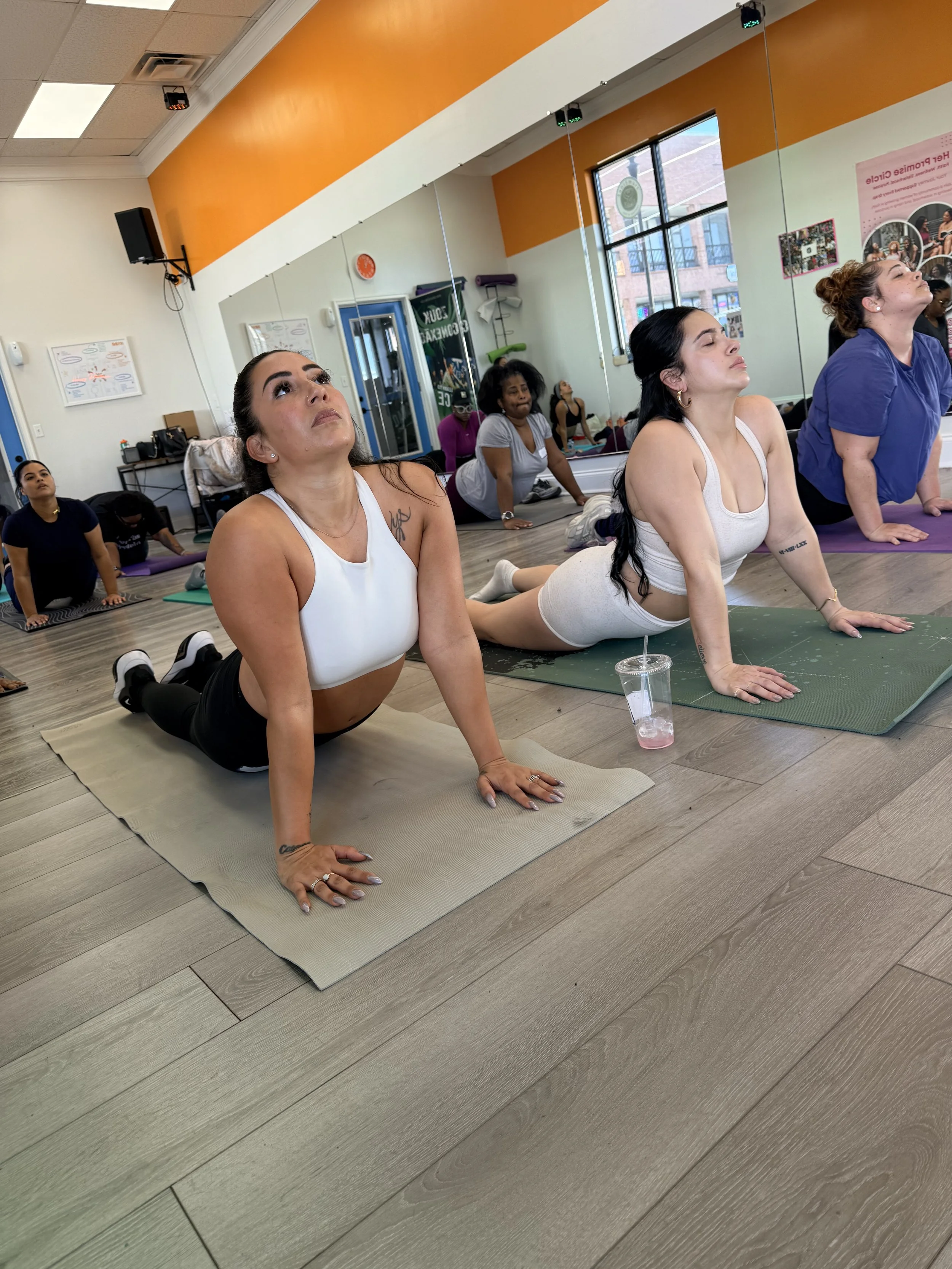
HPC Fit Maternal Fitness, Wellness & Education Program
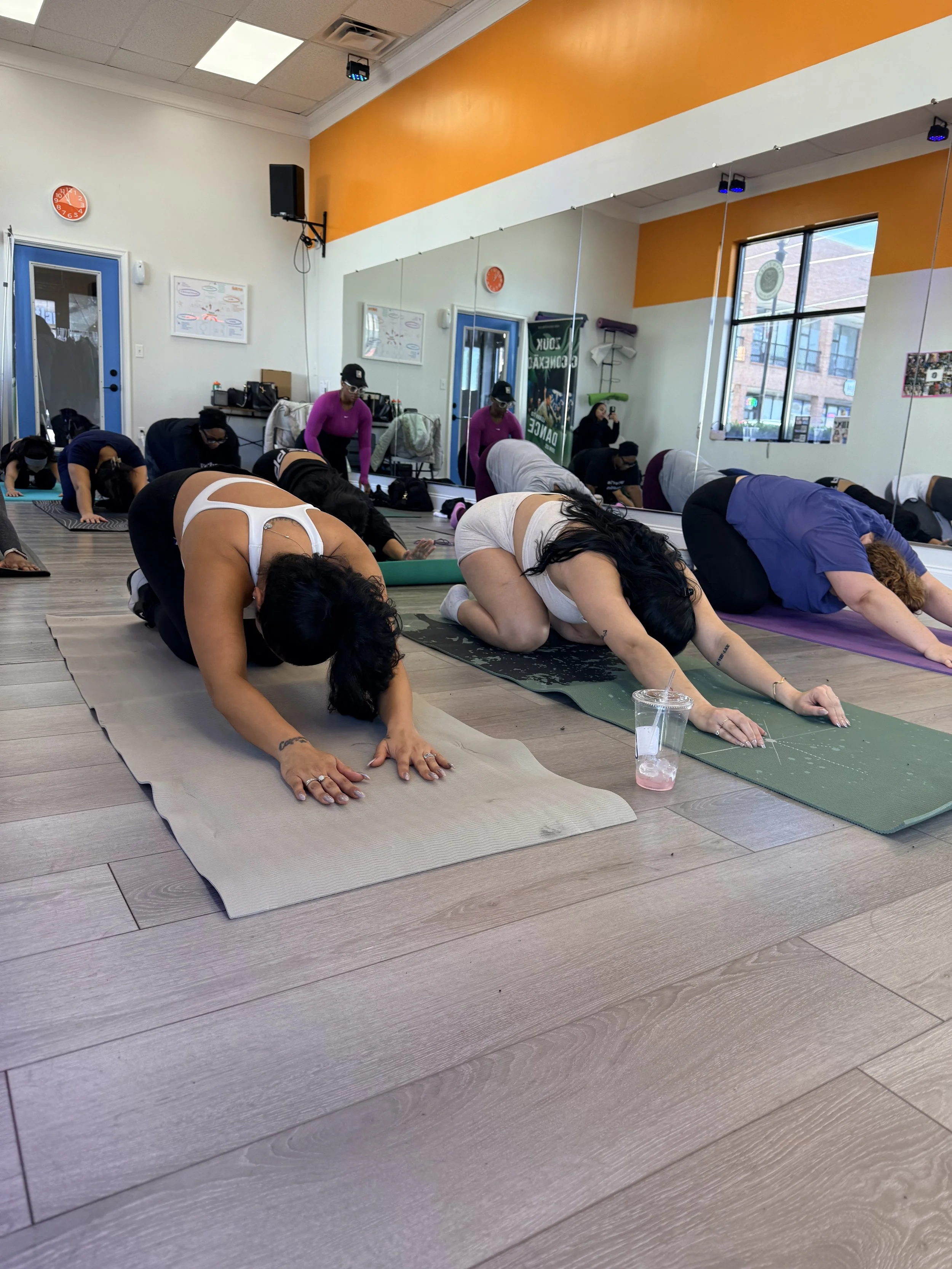
Program Overview
Our Maternal Wellness & Recovery Program is a community-based initiative designed to support underserved mothers’ mental, physical, and emotional health through motherhood, before, during & postpartum recovery through education, movement, & stress regulation.
The program addresses critical gaps in maternal care by providing accessible preventative wellness services when mothers are often most vulnerable & least supported.
We focus on early intervention, stress reduction, physical recovery education, & community connection, helping mothers maintain health & stability before challenges escalate into long-term medical or mental health issues.
-
Maternal and infant health remain priority concerns in DeKalb County and across Georgia.
Key maternal health challenges include:
• 1 in 5 mothers experience prenatal or postpartum depression or anxiety
• Many women receive minimal recovery guidance after medical clearance at six weeks postpartum
• Chronic stress during pregnancy is associated with preterm birth, low birth weight, and delivery complications
• Social isolation and lack of support increase maternal burnout, mental health challenges, and reduced self-care
Local public health assessments in DeKalb County identified mental health and maternal/infant health as priority community concerns, with 89% of residents reporting the need for expanded mental health services and support for new parents.
Community recommendations emphasized the need for:
• Increased mental health services for new and expecting parents
• Affordable or free prenatal and postnatal support programs
• Community-based wellness and education resourcesThese findings demonstrate a clear need for accessible preventative maternal wellness programs that support mothers beyond clinical care settings.
-
Improve maternal mental health and emotional resilience
Support safe postpartum physical recovery and injury prevention
Reduce stress-related pregnancy and postpartum complications
Increase maternal health knowledge and self-care skills
Strengthen peer support networks and reduce isolation
-
Her Promise Circle Foundation’s preventative wellness programming is already demonstrating measurable outcomes.
Recent participant survey data shows:
• 45 women participated in preventative wellness programming in Q1 2026
• 100% reported reduced feelings of overwhelm
• 95% reported improved ability to regulate stress
• 68% reported applying wellness tools to daily challengesThese early outcomes demonstrate the effectiveness of community-based preventative wellness education and support in helping women manage stress and strengthen their overall well-being.
-
Participants will demonstrate:
• Reduced stress, anxiety, and postpartum mood symptoms
• Improved postpartum physical recovery and functional strength
• Increased confidence in maternal self-care and wellness
• Stronger community support networks and reduced isolationProgram outcomes will be measured through attendance, participant surveys, wellness check-ins, and self-reported improvements.
Program Focus
-
Topics: Prenatal anxiety and stress regulation, postpartum depression prevention, identity shifts after birth, and building emotional resilience for mothers.
Why it matters: Postpartum depression and anxiety affect 1 in 5 mothers, and early education and support help prevent long-term mental health challenges for mothers and families. -
Topics: Safe postpartum movement, pelvic floor awareness and strengthening, core rehabilitation education, and gradual return-to-movement guidance.
Why it matters: Many mothers receive little guidance after six-week medical clearance, leaving issues like pelvic floor dysfunction, chronic pain, and diastasis recti untreated. -
Topics: Stress regulation techniques, breathing and nervous system support, sleep education, and trauma-informed wellness practices.
Why it matters: Chronic stress during pregnancy is linked to preterm birth, low birth weight, and delivery complications, making stress management a key preventative health strategy. -
Topics: Group wellness classes for mothers, community support circles, mother-baby bonding through movement, and accountability programs.
Why it matters: Social isolation is a major contributor to postpartum depression, parenting burnout, and reduced maternal self-care. -
Topics: Accessible maternal wellness education, culturally responsive programming, trauma-informed care, and inclusive movement practices.
Why it matters: Many mothers—especially those in underserved communities—lack affordable access to preventative maternal wellness resources.